
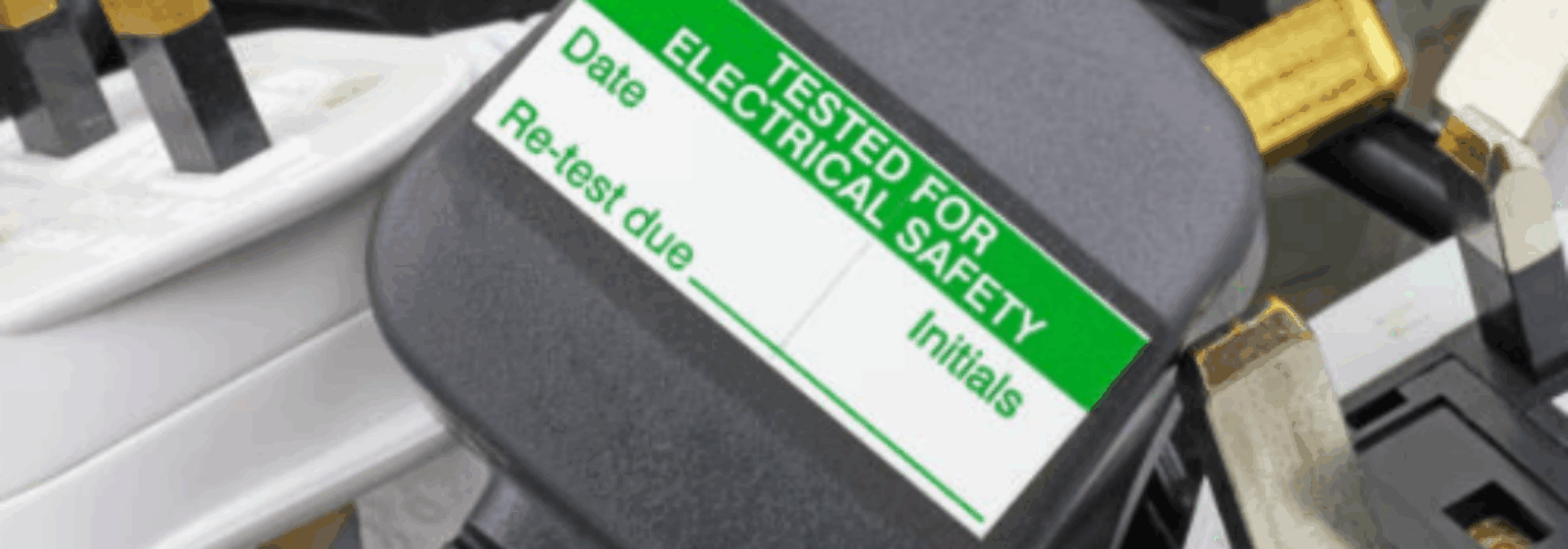
Understanding what a tough test and tag involves can help you protect your workplace, especially when equipment is used in challenging or high‑risk environments. A tough test and tag goes beyond basic inspection to ensure electrical equipment remains safe, reliable, and compliant with safety expectations.
What Does “Tough Test and Tag” Mean?
A tough test and tag refers to an advanced testing process designed to verify the safety of electrical appliances and equipment under more demanding conditions than standard test and tag procedures. It still includes visual and electrical testing, but adds additional checks to make sure equipment is safe even in harsh or industrial environments.
Why Choose a Tough Test and Tag Process
Standard test and tag helps confirm basic electrical safety, but a tough test and tag offers enhanced assurance where equipment is exposed to heavy use, environmental stressors, or critical operations. This makes it ideal for:
-
Industrial sites
-
Construction and outdoor work zones
-
High‑use manufacturing equipment
-
Environments with moisture, dust, or vibration
In these conditions, a more rigorous approach helps reduce electrical hazards and supports ongoing compliance.

Comprehensive Steps in a Tough Test and Tag Service
Below are the key components typically included in a tough test and tag procedure:
Visual Checking and Inspection
Every item starts with a thorough visual inspection to detect physical damage such as frayed cables, worn plugs, corrosion or other visible faults before any electrical testing begins.
Electrical Testing
Technicians perform detailed electrical tests such as:
-
Insulation resistance testing
-
Earth continuity and polarity checking
These tests find faults not visible during inspection and confirm electrical integrity.
Load and Stress Testing
Equipment is sometimes run at maximum load conditions to ensure it can handle extended operating demands without overheating or malfunctioning — an important step for heavy‑duty tools and machinery.
Environmental Simulation Testing
Testing may include exposing equipment to conditions like dust, moisture, heat, cold, or vibration to simulate real‑world stress and ensure the device remains safe even in harsh environments.
Functional Operation Checks
Beyond safety tests, equipment is checked for correct operation of all controls, switches, and functions under normal usage to confirm it performs as intended.
Periodic Inspection Scheduling
A tough test and tag approach often involves setting a more frequent inspection schedule based on how equipment is used and how harsh the environment is. More frequent checks help catch problems early.
Documentation and Compliance Records
A detailed record of all testing — including dates, parameters, faults found, and corrective actions — is maintained for safety compliance and historical tracking.

Who Benefits Most From Tough Test and Tag Services
Tough test and tag is especially beneficial for businesses and workplaces where electrical equipment:
-
Experiences heavy daily use
-
Is exposed to rough environmental conditions
-
Operates in high‑risk or industrial settings
This thorough testing process gives peace of mind that equipment remains safe and compliant throughout its service life.
Start Your Tough Test and Tag Journey With Metrotest
If you manage electrical equipment or run a business, choosing a tough test and tag service from Metrotest ensures your equipment continues to meet the highest safety standards. Metrotest can assess your site, apply a comprehensive testing programme tailored to your needs, and provide detailed reports that give confidence in your electrical safety strategy.
Contact Metrotest today to book your tough test and tag service and safeguard your workplace with a robust electrical safety plan.
