
If you’re looking to ensure electrical safety in your workplace, understanding what a professional test and tag service involves is essential. Using best‑practice procedures and standards, this service inspects, tests, tags, and documents the electrical safety of your portable appliances to minimise risk and enhance compliance.
What Is Test and Tag?
Test and tag is a systematic process used to check the safety of electrical appliances and equipment. It begins with a visual inspection and continues with electrical testing using specialised tools like a Portable Appliance Tester (PAT). The goal is to verify safety and compliance with industry standards such as AS/NZS 3760.
Why Test and Tag Matters
Testing and tagging isn’t just a checklist task — it’s a key part of electrical safety and risk management for workplaces. Proper test and tag procedures help:
-
Reduce the risk of electric shock or fire hazards
-
Demonstrate commitment to workplace health and safety
-
Maintain compliance with New Zealand electrical safety practices
Whether you do it yourself or hire a qualified provider, knowing what the service includes helps you get the most from your safety programme.

What Happens During a Test and Tag Service
Below are the core components included in most professional test and tag services:
Site and Visual Inspection
Before electrical testing begins, every piece of equipment undergoes a thorough visual inspection to detect signs of physical damage, wear, or obvious faults that could compromise electrical safety.
Electrical Testing with PAT Equipment
Using a Portable Appliance Tester (PAT), technicians perform electrical tests to measure insulation resistance, earth continuity and other critical safety parameters. This confirms whether the appliance is electrically sound and safe for continued use.
Tagging and Labelling
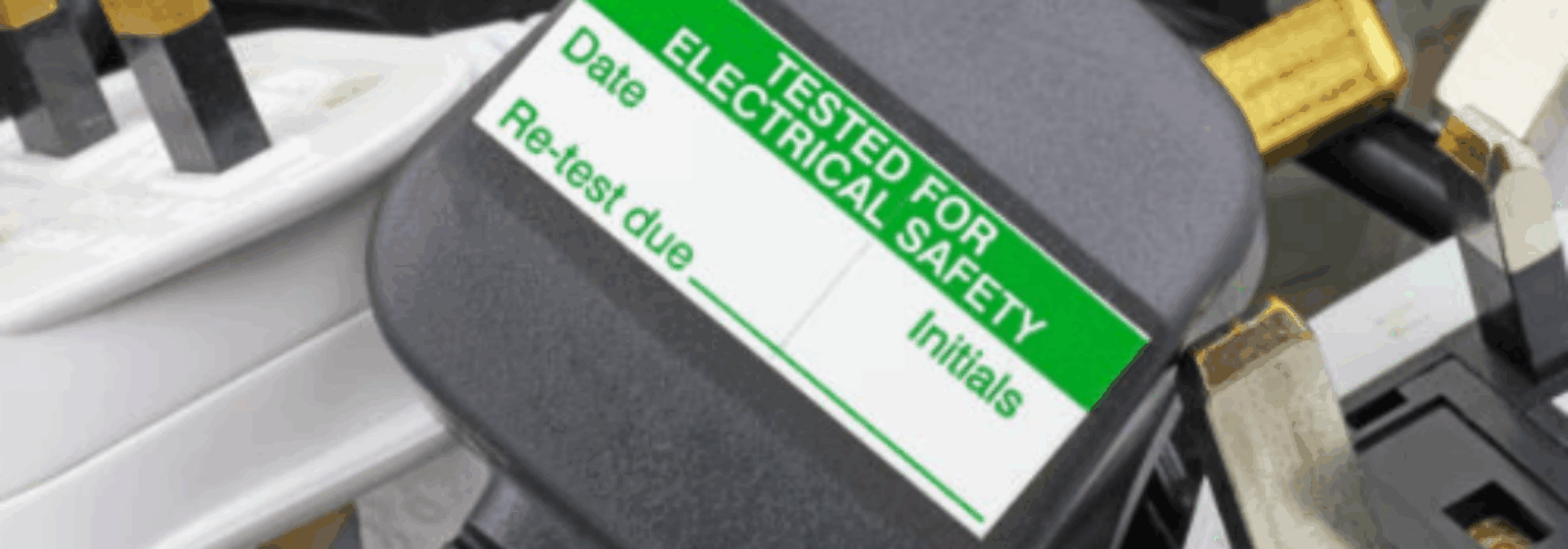
After testing, each appliance is labelled with a durable compliance tag. These tags typically show:
-
Date tested
-
Retest due date
-
Pass or fail result
-
Technician or company details
This tag acts as proof of safety checks and helps with future audits.
Record Keeping
Documentation of all testing results is critical for compliance and workplace safety records. This may include digital registers or printed reports detailing each item tested and its results.
Scheduled Regular Inspections
Professional test and tag services often include scheduling regular inspections based on the type of equipment and work environment — ensuring ongoing compliance and safety.
Management of Failed Equipment
Equipment that fails testing is identified and removed from service until it is repaired and retested safely. This helps prevent unsafe equipment from remaining in use.

DIY vs Professional Test and Tag Services
You don’t have to be a licensed electrician to carry out test and tag — as long as the person is competent and meets required standards. However, working with a professional service offers benefits such as:
-
Expertise in AS/NZS 3760 compliance
-
High‑quality PAT equipment and durable tags
-
Detailed reporting and compliance documentation
These advantages ensure peace of mind and improve the reliability of your electrical safety programme.
Get Started With a Test and Tag Service
If you run a business or manage electrical equipment, booking a professional test and tag service with Metrotest ensures electrical safety and helps meet workplace compliance standards.
Ready to schedule your service or learn more about testing and tagging? Contact Metrotest, your trusted test and tag provider in New Zealand, who can assess your site and create a tailored testing plan to keep your equipment safe and compliant.
