
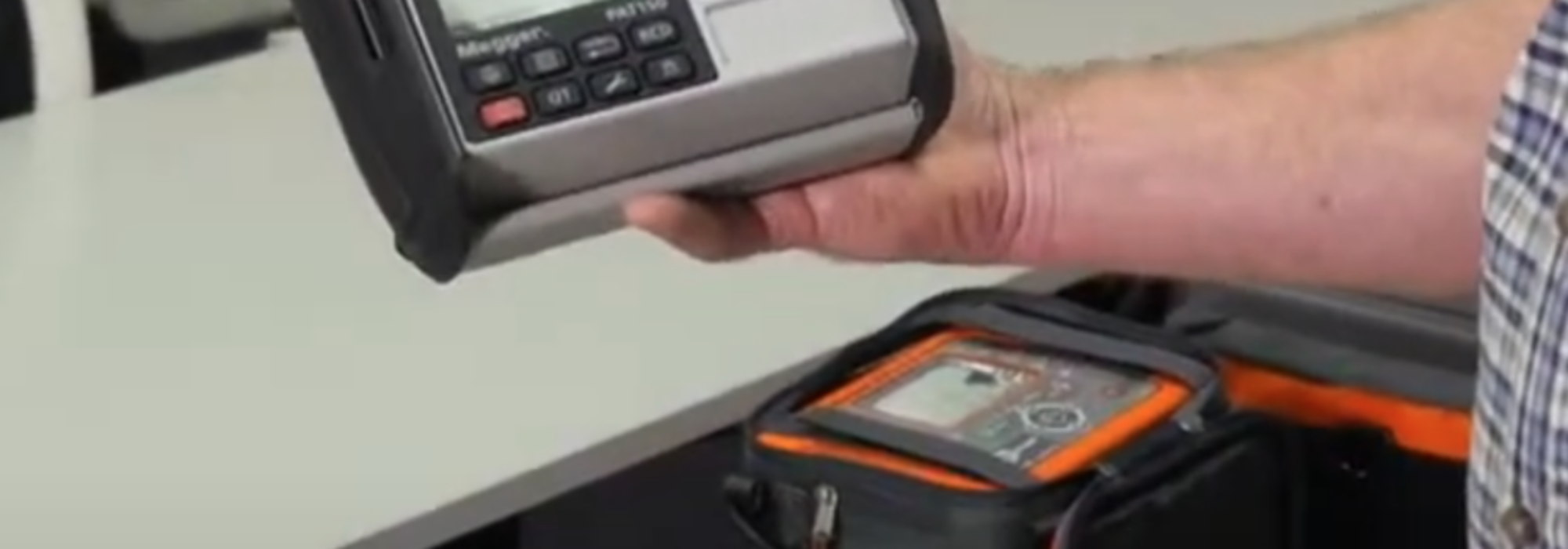
Why Frequency Depends on the Environment
The frequency at which you must test and tag electrical appliances in New Zealand is not one‑size‑fits‑all. Instead, it depends largely on the environment where the equipment is used or located. The risk of wear, damage, or misuse varies — and so should the inspection interval.
Recommended Testing & Tagging Intervals by Environment
Based on industry standards under AS/NZS 3760, the following are the general recommended intervals for test and tag inspections:
- New appliances — test and tag before initial use.
- Construction/building sites — every 3 months. These are considered high-risk or “hostile” environments due to exposure to dust, impact, and frequent handling.
- Factories, workshops, manufacturing or assembly plants — every 6 months. Regular industrial use increases the risk of damage or degradation over time.
- Commercial workplaces, offices, and most other “normal use” environments — annually, or in some cases up to every 5 years, depending on workplace risk assessment and usage.
Keep in mind these are minimum intervals under AS/NZS 3760; depending on actual use, wear, or risk factors, more frequent testing may be prudent.

Why It’s Not Always Enough to Follow the Minimum
- Even if an item passes test and tag, that only confirms it was safe at the time of testing. Regular visual inspections — especially of cords, plugs, and enclosures — remain important.
- Workplaces must manage their own risk. If equipment is used heavily or under harsh conditions, doing test and tag more frequently than the standard can improve safety and reduce the chance of electrical incidents.
What Types of Equipment Are Typically Included
Any portable electrical appliance (tools, leads, cord sets, extension cables, portable equipment) that plugs into the mains via a flexible cord is subject to test and tag — whether brand new, in regular use, newly repaired, or recently hired out.
Summary Table: Typical Test & Tag Intervals
| Type of Environment and/or Equipment | Equipment including Class I equipment, Class II equipment, cord sets, cord extension sets and EPODs | Residual Current Devices (RCDs) | ||
|---|---|---|---|---|
| (b) | Push-button test – by user | Operating time and push-button test | ||
| Portable (c) / Fixed (d) | Portable (e) / Fixed (f) | |||
| 1. Factories, workshops, places of manufacture, assembly, maintenance or fabrication | 6 months | Daily, or before every use, whichever is longer / 6 months | 12 months / 12 months | |
| 2. Environment where the equipment or supply flexible cord is subject to flexing in normal use OR is open to abuse OR is in a hostile environment | 12 months | 3 months | 12 months | 12 months |
| 3. Environment where the equipment or supply cord is NOT subject to flexing in normal use and is NOT open to abuse and is NOT in a hostile environment | 5 years | 3 months | 2 years | 2 years |
| 4. Residential type areas: hotels, residential institutions, motels, boarding houses, halls, hostels, accommodation houses, and the like | 2 years | 6 months | 2 years | 2 years |
| 5. Equipment used for commercial cleaning | 6 months | Daily, or before every use, whichever is longer | 6 months | N/A |
| 6. Hire equipment: Inspection Test and Tag | Prior to hire / 3 months | Including push-button test by hirer prior to hire | N/A / 3 months | 12 months |
| 7. Repaired, serviced and second-hand equipment | After repair or service which could affect electrical safety, or on reintroduction to service, refer to AS/NZS 3762 | |||

When You Should Consider More Frequent Testing
- If equipment is subject to heavy use, frequent movement, or rough handling (e.g. power tools, frequent plugging/unplugging).
- If the workplace environment is damp, dusty, hot, or otherwise harsh.
- If cords, plugs, or appliances show visible wear and tear — even if the last test tag is still valid.
Book Your Test & Tag Training
With the end of the year fast approaching and the busy season leading into Christmas, now is a great time to start planning your training for 2026.
Why not explore Metrotest’s full range of training courses? If you prefer not to wait for an in-person session, you can jump into one of our online Test & Tag courses, available all year round — anytime, anywhere.
