
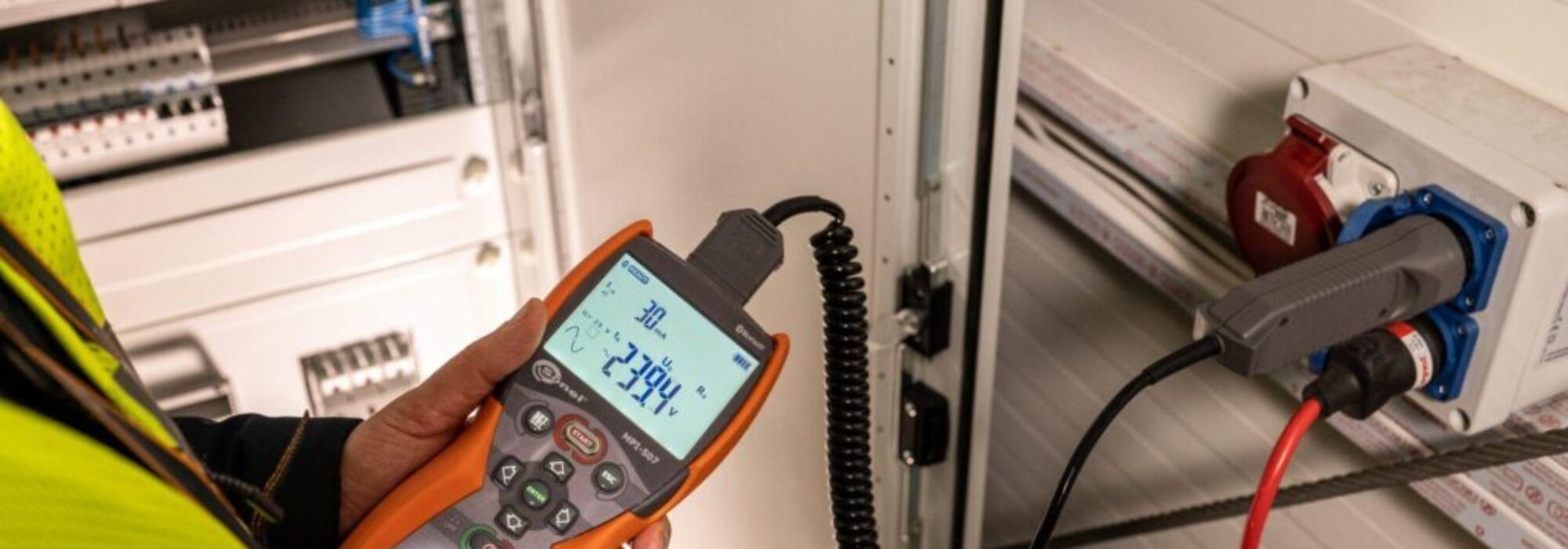
Understanding earth continuity testing is essential for electrical safety in homes, workplaces, and commercial settings. Although the term may sound technical, earth continuity is simply about ensuring that electrical equipment has a solid connection to the ground (earth), protecting users from shock and helping electrical systems operate safely.
What Is Earth Continuity?
Earth continuity (also called grounding) refers to the connection between an appliance’s exposed metal parts and the earth (ground). This connection provides a safe path for stray electrical current to flow away from the equipment and prevent shock hazards or fires. A reliable earth path is critical for Class I electrical equipment that relies on a protective earth conductor.
Why Earth Continuity Matters for Safety
A strong earth connection is like a dedicated safety route for electrical faults. If current escapes from live parts of an appliance, the earth path allows it to return safely to ground instead of passing through a person, reducing the risk of electric shock or fire. Ensuring this path is sound is a core part of electrical safety testing.

How Earth Continuity Is Tested
Earth continuity testing is one of the key electrical safety checks performed on portable equipment, particularly under AS/NZS testing standards like AS/NZS 3760. This test usually involves measuring the resistance between a plug’s earth pin and the exposed metal parts of the appliance. A low resistance reading indicates a solid earth connection.
Visual Inspection
Before any electrical testing, a qualified technician visually inspects the cord, plug and casing for signs of damage that might compromise the earth connection. Detecting visible issues early helps prevent unsafe equipment from being tested further.
Earth Continuity Resistance Test
A continuity test measures how well the earth conductor conducts electrical current. In practice, this means using specialised equipment such as a portable appliance tester (PAT) to check that the earth path is continuous and at a sufficiently low resistance to carry fault current safely.
Earth Continuity in the Context of Test and Tag
Earth continuity testing is one part of the broader test and tag process — a systematic safety check that also includes insulation, leakage current, polarity, and other assessments. Test and tag procedures help ensure all portable electrical appliances remain safe for use.
When a device passes its tests, it’s tagged with a compliance label showing test dates, results, and the next due date. This documentation supports ongoing safety monitoring in workplaces and properties.

How Earth Continuity Protects You and Your Property
Earth continuity testing reduces the risk of:
-
Electric shock by providing a safe fault current path
-
Electrical fires caused by stray currents
-
Equipment damage due to faulty wiring or degraded earth paths
Regular earth continuity checks as part of a complete test and tag regime help identify hidden issues before they cause serious harm.
Get Expert Earth Continuity Testing With Metrotest
Ensuring your electrical equipment has a reliable earth connection is a key part of a safe electrical environment. Metrotest offers professional earth continuity testing as part of our comprehensive test and tag services — helping you meet safety standards and maintain compliance across your workplace or property.
Contact Metrotest today to schedule your earth continuity test and electrical safety assessment. Our experienced team will ensure your equipment is tested thoroughly and accurately for ongoing peace of mind.
