
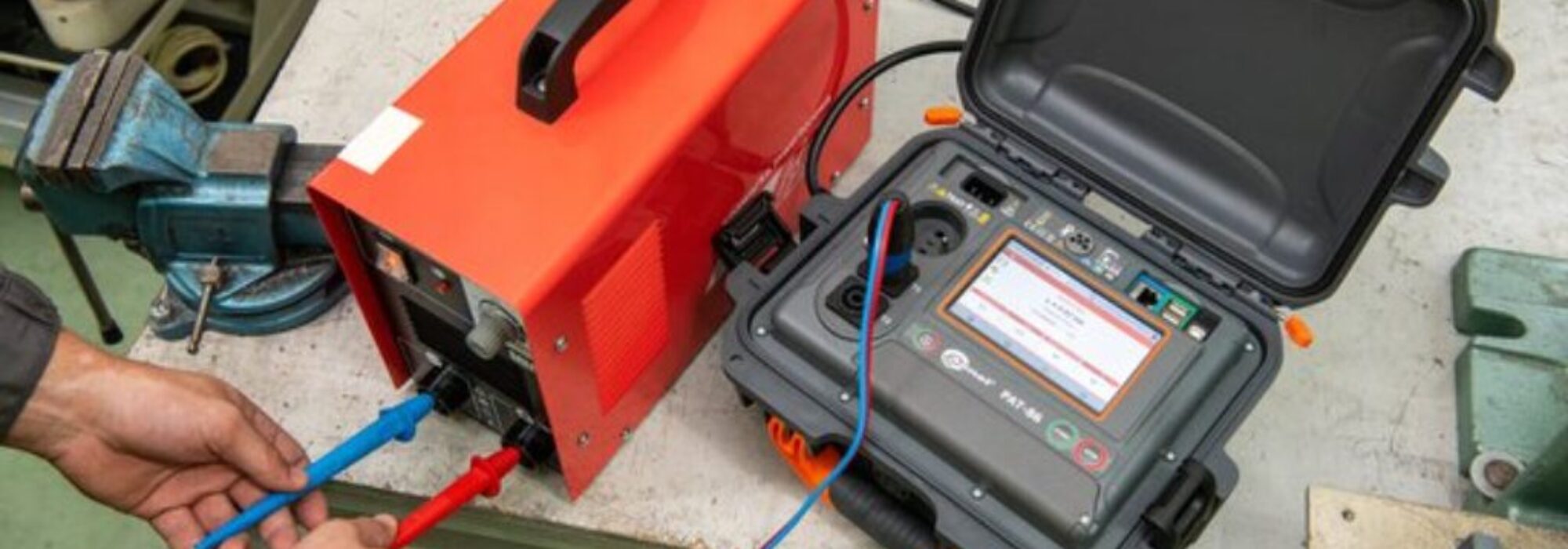
Electrical safety is essential in homes, workplaces, and public spaces across New Zealand. A set of electrical safety rules and standards exists to protect people, prevent electrical hazards, and ensure installations and appliances are safe and compliant with regulatory expectations.
What Are the Core Electrical Safety Standards in New Zealand?
In New Zealand, electrical safety is governed by a combination of standards and regulations designed to protect both property and people. Some of the key standards referenced in electrical safety practice include:
-
AS/NZS 3000:2018 (Wiring Rules) – Covers the design, construction, and verification of electrical installations to protect against shocks, fire, and injury.
-
AS/NZS 3760:2010 – Outlines requirements for inspecting and testing electrical equipment to ensure ongoing safety.
These standards form the backbone of electrical safety compliance in New Zealand and are cited in regulations such as the Electricity (Safety) Regulations 2010.

Electricians vs Test and Tag Professionals
Understanding the difference between the roles of electricians and test and tag professionals helps clarify how electrical safety is managed:
Electrician Responsibilities
Electricians are primarily responsible for:
-
Installing, maintaining, and repairing electrical systems
-
Designing electrical infrastructure
-
Ensuring compliance with wiring rules and installation standards such as AS/NZS 3000:2018
Test and Tag Responsibilities
Test and tag professionals focus on:
-
Inspecting and testing individual electrical appliances and portable equipment
-
Tagging items to indicate safety status
-
Recording and documenting ongoing equipment safety in line with AS/NZS 3760:2010
Electricians concentrate on the broader electrical system and installation safety, while test and tag specialists ensure that devices connected to those systems remain electrically safe during regular use.
Why Electrical Safety Rules Matter in New Zealand
Electrical safety rules are essential because they:
-
Help prevent electric shocks, fires, and other hazards
-
Establish clear compliance requirements for installations and equipment
-
Ensure safety checks and documentation are performed systematically
-
Provide accountability for both installation and in‑service equipment safety
By adhering to these standards and rules, businesses and homeowners improve safety and minimise legal and operational risks.

How Compliance Works in Practice
Regulatory Framework
The Electricity (Safety) Regulations 2010 sets the legal foundation for electrical safety requirements in New Zealand. These regulations define what is considered safe and unsafe with respect to electrical installations, appliances, and fittings.
Standards Adoption
Many electrical safety rules refer directly to AS/NZS standards. While these standards must be obtained from the official standards body, compliance with them is required by law under the Regulations.
Routine Testing and Tagging
Under standards like AS/NZS 3760, regular inspection and testing (test and tag) of electrical equipment helps maintain safety over time and document ongoing compliance.
Tips for Staying Compliant With Electrical Safety Rules
To ensure ongoing electrical safety and compliance in New Zealand:
-
Work with qualified electricians for installation, repairs, and wiring work
-
Use competent test and tag professionals to inspect and maintain portable equipment
-
Follow the appropriate standards such as AS/NZS 3000:2018 and AS/NZS 3760:2010
-
Keep good records of inspections, tests, repairs, and compliance certificates
These proactive steps help protect lives and property while demonstrating a strong commitment to electrical safety.
Get Professional Electrical Safety Support With Metrotest
If you want to ensure your workplace or property meets New Zealand electrical safety standards, Metrotest can help. As a trusted provider of test and tag services, training, and safety compliance guidance, Metrotest supports businesses and individuals throughout the safety process.
Whether you need routine testing, tagging, or expert advice on electrical compliance, contact Metrotest today to tailor a safety programme that fits your needs and keeps your site compliant and secure.
